
Introduction: Why Recovery Matters More Than You Think
——————————————————
Most people think weight loss comes from:
• Eating less
• Exercising more
But what they ignore is **recovery**.
Recovery is where:
* Fat loss actually happens
* Muscles repair and grow
* Hormones balance
* Energy levels reset
If you ignore recovery, progress slows — even if your diet and workouts are perfect.
This guide explains:
* Why recovery matters
* How clothing and accessories affect performance
* What actually helps fat loss
* What’s mostly hype
1️⃣The Hidden Role of Recovery for Weight Loss
——————————————-
Fat loss doesn’t happen during workouts.
It happens when:
* Your body is rested
* Stress is controlled
* Hormones are balanced
* Sleep quality is good
Poor recovery leads to:
* Increased hunger
* Higher cortisol
* Low motivation
* Fat storage
Recovery is not optional — it’s foundational.
2️⃣ Sleep and Recovery for Weight Loss
——————————————
Sleep is often the missing piece.
What happens when you don’t sleep enough:
• Hunger hormones increase
• Cravings increase
• Insulin sensitivity drops
• Energy levels crash
• Fat loss slows
Even one poor night can affect food choices the next day.
How much sleep is ideal?
Most adults perform best with:
**7–9 hours per night**
Consistent sleep matters more than perfect sleep.
3️⃣ How Stress Affects Recovery and Fat Loss
———————————-
Chronic stress keeps cortisol elevated.
High cortisol:
* Encourages fat storage
* Increases cravings
* Reduces recovery
* Makes weight loss harder
Simple ways to reduce stress:
• Walking outdoors
• Deep breathing
• Stretching
• Limiting caffeine late in the day
• Consistent sleep schedule
Lower stress = easier fat loss.
4️⃣ Best Recovery Tools for Weight Loss
————————————-
Not all recovery tools are gimmicks. Some genuinely improve consistency.
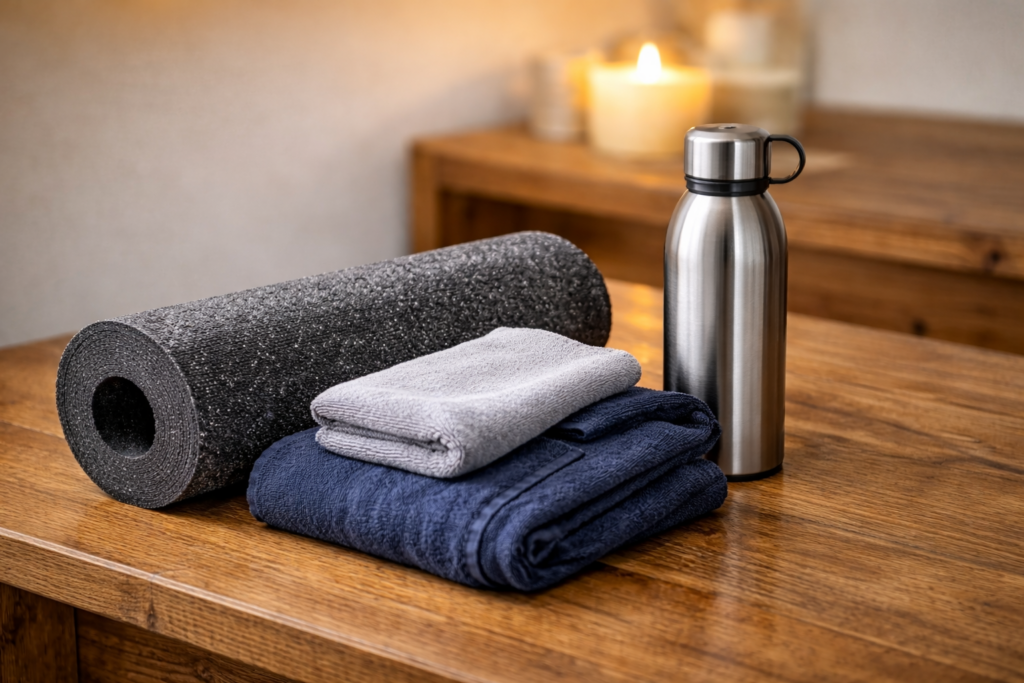
✅ Foam Rollers
Help with:
* Muscle soreness
* Blood flow
* Mobility
Best used after workouts or before bed.
✅ Massage Guns
Useful for:
* Muscle tightness
* Warm-up or cooldown
* Improving circulation
Not required, but helpful.
✅ Stretching & Mobility Tools
Great for:
* Reducing stiffness
* Improving movement
* Preventing injury
Simple daily stretching goes a long way.
5️⃣ Clothing and Accessories That Improve Recovery
———————————————–
Clothing doesn’t burn fat — but it can improve comfort and consistency.
Best Clothing Features:
✔ Breathable material
✔ Moisture-wicking
✔ Comfortable fit
✔ Allows full movement
Compression Clothing: Does It Work?
Compression clothing:
* Improves blood flow
* Reduces muscle vibration
* Helps recovery for some people
It won’t burn fat, but it can improve workout comfort.
6️⃣ Recovery Routine for Weight Loss (Beginner Plan)
—————————————-
✔ Fitness Trackers
Help with:
* Step tracking
* Activity awareness
* Motivation
They don’t cause weight loss — but they encourage consistency.
✔ Water Bottles
Hydration matters more than most people realize.
Being even slightly dehydrated can:
* Increase fatigue
* Reduce performance
* Increase hunger
✔ Resistance Bands
Excellent for:
* Warm-ups
* Home workouts
* Recovery sessions
Affordable and versatile.
7️⃣ Accessories to Avoid (Mostly Marketing)
——————————————-
❌ “Fat-burning” belts
❌ Sauna waist trainers
❌ Vibration plates
❌ Sweat suits
These create temporary water loss, not fat loss.
8️⃣ How Recovery Supports Long-Term Fat Loss
——————————————–
Recovery:
* Reduces burnout
* Improves adherence
* Helps maintain muscle
* Improves mood and motivation
People who recover well stick to their routines longer.
And consistency beats intensity every time.
9️⃣ Simple Recovery Routine (Beginner-Friendly)
———————————————–
**Daily:**
* 7–8 hours sleep
* Light stretching
* Hydration
**2–3x per week:**
* Foam rolling
* Mobility work
**Weekly:**
* At least 1 full rest day
This is enough for most people.
10️⃣ Recovery & Weight Loss: The Big Picture
——————————————–
You can train hard.
You can eat well.
But without recovery:
* Progress slows
* Fat loss stalls
* Motivation drops
Recovery is not laziness.
It’s part of the plan.
11️⃣ Final Thoughts
——————-
If fat loss feels harder than it should, ask yourself:
• Am I sleeping enough?
• Am I stressed?
• Am I overtraining?
• Am I giving my body time to recover?
Fixing these often unlocks progress without changing diet or workouts.
❓ Frequently Asked Questions
Is recovery important for weight loss?
Yes. Recovery regulates hormones, reduces fatigue, and improves fat-burning efficiency.
How many rest days should I take?
Most people need 1–2 full rest days per week.
Does sleep affect fat loss?
Yes. Poor sleep increases hunger hormones and slows metabolism.
Do recovery tools help weight loss?
They support consistency and reduce soreness, which helps maintain workouts.