
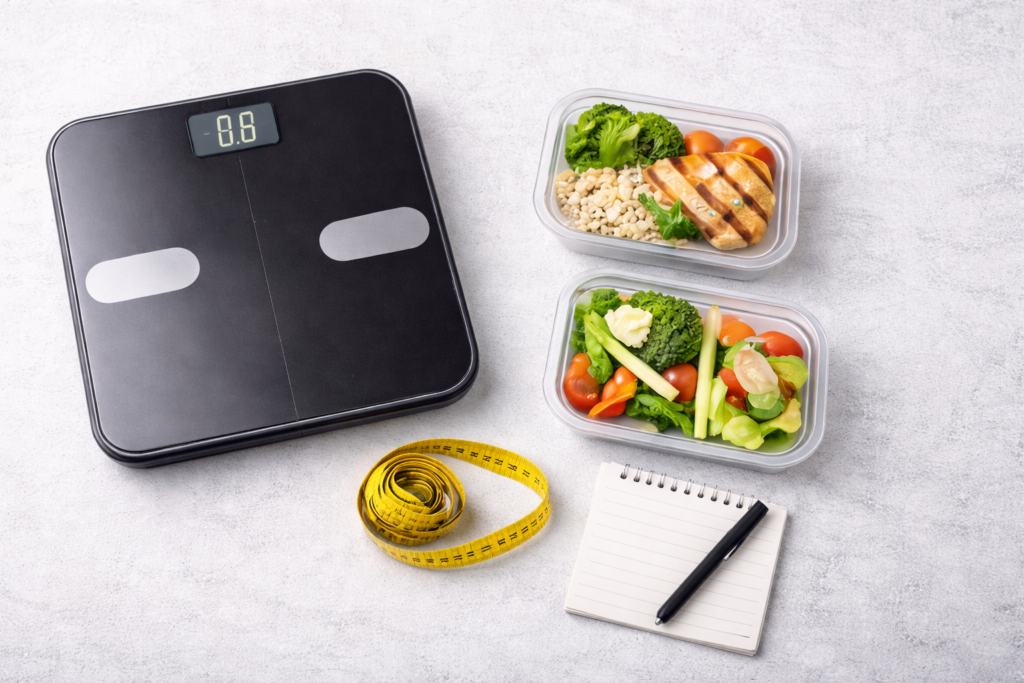
Introduction: Why weight loss feels harder than it should
Weight loss has become noisy. You can find a new “method” every week, extreme diets, detox trends, questionable supplements, and conflicting advice that makes normal people feel like they are always doing something wrong.
In reality, most weight loss success comes down to a small set of repeatable fundamentals:
- A calorie deficit you can sustain
- Hunger control so you can stay consistent
- Movement that supports your goals and your schedule
- Tracking that tells you what is actually happening
- Adjustments when the scale stalls, because it will
If you want a blueprint that is both practical and effective, this guide is designed to be your foundation. It is written for beginners who want clarity and for experienced readers who want a system that keeps working beyond week two.
One more important point before we start. Safe, sustainable weight loss is typically gradual. Public health guidance often points to around 1 to 2 pounds per week as a steady pace that is easier to maintain long term. (CDC)
1) The real goal: fat loss, not just “weight loss”
The scale shows total body weight, which includes:
- Fat
- Muscle
- Water
- Food volume in your digestive system
- Glycogen (stored carbs in muscles and liver)
This is why you can “do everything right” and still see the scale fluctuate. It is also why people sometimes lose “weight” quickly at the start of a diet, then panic when it slows down.
What you want is progress you can keep:
- Lower body fat over time
- Maintain or improve strength
- Feel better and function better
- Build habits that do not collapse when life gets busy
That is the strategy this guide uses.
2) The foundation: energy balance, but with a realistic model
You have probably heard “calories in versus calories out.” The basic idea is correct, but most people fail because they treat it like a math problem instead of a behavior system.
Two important realities:
- Your body adapts when you lose weight.
- Your daily intake and activity are not perfectly controlled.
This is why many people do better using structured planning tools that account for changes over time. For example, the NIH and NIDDK Body Weight Planner is designed to help forecast calorie and activity needs across a timeline rather than assuming weight loss is linear. (NIDDK)
The practical takeaway is simple:
- Start with a plan
- Track outcomes
- Adjust slowly when needed
- Stop trying to “perfect” the process day to day
3) Step one: set a target that is realistic and motivating
Choose a goal that is specific
Instead of: “I want to lose weight.”
Use: “I want to lose 8 kg in 16 weeks while keeping my strength.”
Choose a pace you can maintain
A gradual pace, such as 1 to 2 pounds per week, is commonly recommended for lasting change. (CDC)
If you have a lot to lose, the early weeks may move faster. If you have less to lose, it may be slower. Either is normal.
Choose a behavior goal too
Outcome goals are motivating, but behavior goals are controllable:
- Protein at every meal
- 8,000 steps daily average
- Strength training 2 to 3 times per week
- Track meals 5 days per week
4) Step two: build a calorie deficit you can actually follow
A calorie deficit does not mean starving. It means eating in a way that your body uses stored energy over time.
The best deficit is the one you can repeat
Many people fail because they start too aggressive:
- Skipping meals
- Cutting too many calories
- Overtraining
- Relying on willpower alone
A sustainable deficit feels like:
- You can function normally
- Hunger is manageable
- You are not thinking about food all day
- You can still eat socially sometimes
Practical methods that work
You do not have to pick only one. Mix them.
- Portion control
Half the plate vegetables, a palm sized protein, a fist sized carb source, and some healthy fat. - High protein approach
Protein improves satiety and helps preserve lean mass when dieting. - Reduce liquid calories
Sugary drinks, fancy coffees, alcohol can quietly destroy your deficit. - Meal structure
Many people do better with 2 to 3 planned meals plus 1 planned snack rather than constant grazing.
5) Hunger control: the missing piece in most plans
If hunger is unmanaged, consistency breaks.
What actually helps hunger control
- Protein first
- High fiber foods (vegetables, legumes, whole grains)
- Volume foods (soups, salads, fruit)
- Hydration
- Sleep
- Stress management
Why sleep matters
Poor sleep can increase cravings, reduce decision quality, and make training feel harder. A weight loss plan that ignores sleep is incomplete.
6) Movement: what to do if you hate the gym
Exercise helps weight loss, but it is not only about burning calories. It also improves mood, sleep, insulin sensitivity, and helps protect lean mass.
Global activity guidelines that support health
WHO guidance for adults commonly includes at least 150 minutes of moderate intensity activity per week, or equivalent vigorous activity, plus strength work. (World Health Organization)
You can hit that with walking. You can hit that with cycling. You can hit that with dance workouts. You just need consistency.
The best starting point: walking
Walking is underrated because it looks simple.
- Low injury risk
- Easy to recover from
- Works with busy schedules
- Can be increased gradually
If you do nothing else for the first two weeks, increase your steps.
Strength training for fat loss
Strength training does not “burn fat” directly. It:
- Preserves muscle while you diet
- Improves body composition
- Builds strength and confidence
- Raises your baseline activity capability
Beginners can do 2 days per week full body:
- Squat pattern
- Hip hinge pattern
- Push
- Pull
- Core
At home, this can be bodyweight and resistance bands to start.
7) Supplements: what to do if you want “help” without getting scammed
This site will likely discuss supplements and tools because many readers ask for them. The core rule is:
Supplements are support, not a replacement for diet and movement.
The supplement safety mindset
- Avoid miracle claims
- Avoid “lose 10 kg in 10 days” marketing
- Prefer transparent labels
- Prefer products with clear dosing
- If you have medical conditions or take medications, check with a clinician
What tends to be most useful for most people
- Appetite support tools for people who overeat
- Protein supplements as a convenience, not magic
- Caffeine based products only if tolerance is good, not for everyone
When you publish product reviews, use ethical language like “may help support,” “can be useful for,” “works best when combined with.”
8) Tracking: measure what matters, ignore the noise
The minimum tracking system that works
- Weigh daily, track weekly averages
- Waist measurement weekly
- Progress photos every 2 weeks
- Strength performance notes
- Steps or activity minutes
Daily weight is noisy. Weekly averages are useful.
Why smart tracking tools help
Many people quit because they cannot see progress. Tools like smart scales and tracking apps help you see trends and stay consistent, even during fluctuations.
9) Plateaus: why they happen and how to break them
Plateaus are normal. Your body adapts, your deficit shrinks as you lose weight, and daily habits drift.
Before you change anything, do this checklist
- Are you sleeping enough
- Has stress increased
- Has sodium intake increased
- Have you stopped tracking meals accurately
- Are weekends wiping out weekdays
- Has activity dropped
If the answer is yes, fix the habit before changing the plan.
3 plateau breakers that work
- Tighten tracking for 7 days
- Add 2,000 steps per day average
- Reduce portions slightly or swap higher calorie foods for lower calorie volume foods
Avoid extreme cuts. Avoid panic.
10) The 12 week blueprint (beginner friendly)
Weeks 1 to 2: stabilize
- Track meals 5 days
- Add steps baseline, aim for a realistic increase
- Protein at every meal
- Sleep routine
Weeks 3 to 6: build momentum
- Add 2 strength sessions weekly
- Keep steps consistent
- Plan meals ahead for busy days
- Focus on weekly average weight trend
Weeks 7 to 12: refine
- Add a third strength day if possible
- Add a small cardio session you enjoy
- Adjust calories slightly if plateaued
- Improve food quality, not just calories
11) Common mistakes that destroy results
- Starting too aggressive, then rebounding
- Choosing random supplements instead of fixing hunger
- Not tracking anything, then guessing why it is not working
- Treating weekends like they do not count
- Quitting when the scale stalls for a week
A better mindset is: track, adjust, continue.
12) Frequently Asked Questions
How fast should I lose weight?
A gradual pace is often recommended for maintainability, commonly around 1 to 2 pounds per week, though individuals vary. (CDC)
Do I need to exercise to lose weight?
Not strictly, but activity improves health and helps preserve muscle. WHO recommends at least 150 minutes of moderate intensity activity weekly for adults, with strength work too. (World Health Organization)
Why am I not losing weight even though I am eating less?
Common causes include underestimating intake, water retention, reduced activity, and metabolic adaptation over time. Using structured planning tools can help set realistic targets and adjustments. (NIDDK)
Are behavioral programs worth it?
Evidence reviews, including USPSTF recommendations, support intensive multi component behavioral interventions for adults with obesity as beneficial for weight outcomes. (uspreventiveservicestaskforce.org)
What is the simplest plan that works?
Protein forward meals, consistent steps, strength training twice a week, and weekly trend tracking.
13) Final take: the system that keeps working
If you want a plan that lasts, do not chase intensity. Chase consistency.
- Build a deficit you can repeat
- Control hunger with food structure
- Move in a way you can sustain
- Track trends, not daily emotions
- Adjust slowly, never panic
That is how people lose fat and keep it off.